

Best Part-Time Jobs for Work-Life Balance: Finding Harmony in Your Career
Share this:
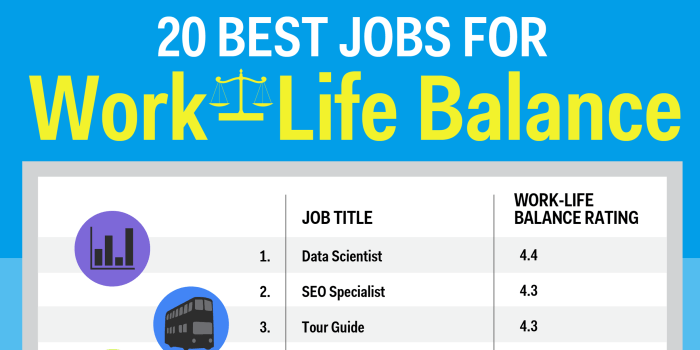
Embark on a journey to discover the best part-time jobs that offer a perfect balance between work and personal life. As we delve into various industries and roles, you'll uncover the secrets to maintaining harmony in your professional and personal endeavors.
Exploring flexible work arrangements, time management strategies, wellness tips, and financial planning, this guide is your roadmap to a fulfilling part-time career.
Research on Part-Time Jobs
When it comes to part-time jobs that offer a good work-life balance, it's essential to consider industries and roles that provide flexibility and support in managing personal and professional commitments. Let's explore some popular part-time job industries known for promoting work-life balance and delve into examples of flexible part-time job roles that can help individuals maintain a healthy equilibrium between work and personal life.
Popular Part-Time Job Industries for Work-Life Balance
- Education: Many educational institutions offer part-time teaching positions that allow for flexible scheduling, making it easier for individuals to balance work with other responsibilities.
- Healthcare: Roles such as medical transcriptionist, medical coder, or home health aide often offer part-time opportunities with the option to choose shifts that fit well with personal schedules.
- Technology: With the rise of remote work, tech companies frequently hire part-time employees for roles like software development, customer support, and digital marketing, providing the flexibility to work from anywhere.
Flexible Part-Time Job Roles
- Freelancer: Freelancing in various fields such as writing, graphic design, or web development allows individuals to work on projects based on their availability and preferences.
- Rideshare Driver: Driving for companies like Uber or Lyft offers the flexibility to choose when to work, making it an ideal part-time job for those looking to control their schedule.
- Retail Sales Associate: Many retail stores offer part-time positions with flexible hours, making it easier for employees to adjust their work schedule according to personal commitments.
Benefits of Part-Time Jobs for Work-Life Balance
-
Reduced Stress:
Part-time jobs often come with less pressure and a lighter workload, allowing individuals to manage their time better and reduce stress levels.
-
More Time for Personal Life:
By working part-time, individuals have the opportunity to spend more time with family, pursue hobbies, or engage in other activities that contribute to a well-rounded lifestyle.
-
Improved Mental Health:
Achieving a better work-life balance through part-time employment can lead to improved mental well-being and overall job satisfaction.
Flexible Work Arrangements
When it comes to part-time jobs, flexible work arrangements can make a significant impact on achieving work-life balance. These arrangements allow individuals to have more control over their schedules and better manage their personal and professional responsibilities.
Remote Work
Remote work, also known as telecommuting, is a popular flexible work arrangement in part-time jobs. This option enables employees to work from anywhere, eliminating the need for commuting and providing more flexibility in terms of working hours. Remote work contributes to work-life balance by allowing individuals to create a comfortable work environment, reduce stress from commuting, and have more time for personal activities.
- Employees can save time and money by avoiding daily commutes to the office.
- Remote work can lead to increased productivity as individuals have fewer distractions compared to a traditional office setting.
- Flexibility in work hours allows individuals to better balance work commitments with personal responsibilities.
Negotiating Flexible Work Hours
When negotiating flexible work hours with part-time employers, it is essential to clearly communicate your needs and how the arrangement can benefit both parties. Here are some tips for negotiating flexible work hours:
- Highlight how flexible work hours can improve your productivity and job satisfaction.
- Propose a trial period to demonstrate the effectiveness of the flexible work arrangement.
- Be willing to compromise and find a schedule that works for both you and your employer.
- Ensure that you are available during core working hours and maintain open communication with your employer.
Time Management Strategies
Effective time management is essential for maintaining a healthy work-life balance, especially when juggling part-time work and personal commitments. By implementing the right strategies, individuals can ensure they are productive at work while still having time for themselves and their loved ones.
Setting Boundaries
Setting boundaries in part-time jobs is crucial to prevent work from spilling over into personal time. Clearly define your work hours and stick to them, avoiding the temptation to constantly check emails or take on additional tasks outside of your designated shifts.
By establishing boundaries, you can protect your personal time and recharge for the next workday.
Utilizing Time Management Tools
There are numerous tools and apps available to help individuals manage their time effectively
By utilizing these tools, you can streamline your workflow and increase your productivity.
Creating a Prioritized To-Do List
One effective time management technique is creating a prioritized to-do list at the beginning of each day. Identify the most important tasks that need to be completed and focus on those first. By tackling high-priority items early, you can ensure that crucial work is completed efficiently, leaving you with more time for personal activities.
Implementing the Pomodoro Technique
The Pomodoro Technique is a popular time management method that involves working in focused intervals followed by short breaks. Set a timer for 25 minutes and work on a single task with full concentration. After the timer goes off, take a 5-minute break before starting the next work interval.
This technique can help improve focus and productivity while preventing burnout.
Wellness and Self-Care
Working part-time can still be demanding, both physically and mentally. It is crucial to prioritize self-care to maintain overall well-being while balancing work and personal life effectively.
Significance of Self-Care
Self-care plays a vital role in ensuring that individuals are able to perform their best at work while also taking care of themselves. It involves practices that promote physical, mental, and emotional health, ultimately leading to improved productivity and satisfaction in both professional and personal life.
- Setting boundaries: Establishing clear boundaries between work and personal time is essential to prevent burnout and maintain a healthy work-life balance.
- Practicing mindfulness: Engaging in mindfulness techniques such as meditation or deep breathing exercises can help reduce stress and improve focus and concentration.
- Seeking support: Don't hesitate to reach out to friends, family, or professional resources for support when feeling overwhelmed or stressed.
Maintaining Physical and Mental Health
To stay healthy while juggling part-time jobs, it's important to prioritize physical and mental well-being through various strategies.
- Regular exercise: Incorporating physical activity into your routine can boost energy levels, improve mood, and enhance overall health.
- Healthy eating habits: Fueling your body with nutritious foods can provide the necessary energy to tackle work tasks effectively.
- Sleep hygiene: Prioritize quality sleep to ensure proper rest and rejuvenation for the body and mind.
Role of Exercise, Mindfulness, and Breaks
Exercise, mindfulness practices, and taking breaks play a significant role in achieving work-life balance and overall well-being.
- Exercise: Physical activity releases endorphins, which can help reduce stress and improve mood, leading to a more positive outlook on work and life.
- Mindfulness: Practicing mindfulness techniques can enhance focus, reduce anxiety, and promote a sense of calm amidst a busy schedule.
- Breaks: Taking short breaks throughout the workday allows for mental refreshment and prevents burnout, ultimately increasing productivity and job satisfaction.
Financial Planning
Part-time jobs can have a significant impact on financial stability, as they provide a source of income while allowing for flexibility in work hours. However, managing finances effectively is crucial to ensure that the benefits of part-time work are maximized.
Budgeting and Saving
When working part-time, it is essential to create a budget that aligns with your income. Track your expenses and identify areas where you can cut back to save more money. Consider setting up automatic transfers to a savings account to build a financial cushion for unexpected expenses.
Setting Financial Goals
Setting financial goals is important when pursuing part-time work. Whether it's saving for a specific purchase, building an emergency fund, or investing for the future, having clear objectives can help you stay motivated and focused on your financial priorities.
Final Thoughts
In conclusion, achieving work-life balance through part-time employment is not just a dream but a tangible reality. By implementing the insights shared in this guide, you can create a fulfilling and sustainable lifestyle that nurtures both your career and well-being.
Top FAQs
How can I find part-time jobs that prioritize work-life balance?
To discover part-time jobs that offer work-life balance, focus on industries like education, healthcare, and technology that often provide flexible schedules and remote work options.
What are some effective time management techniques for balancing part-time work and personal life?
Effective time management techniques include prioritizing tasks, setting boundaries, utilizing productivity tools like calendars and to-do lists, and taking regular breaks to maintain focus and avoid burnout.
How can I ensure financial stability while working part-time?
To maintain financial stability while working part-time, it's essential to create a budget, save diligently, and set clear financial goals to ensure you're meeting your financial needs and objectives.