

How Wearable Tech Is Transforming Healthy Living: Embracing a New Era of Health Monitoring
Share this:
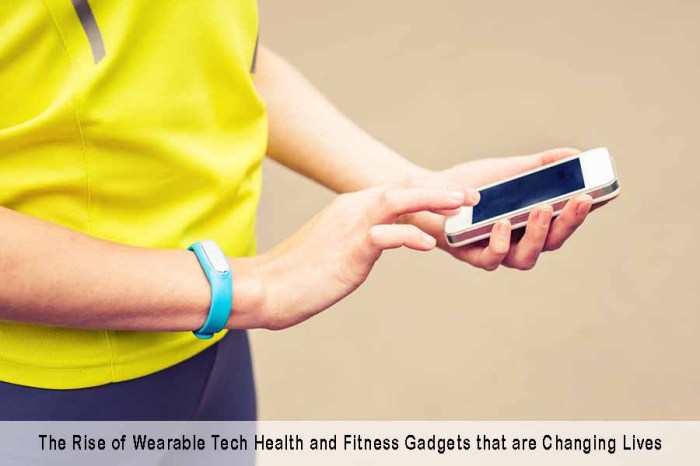
As How Wearable Tech Is Transforming Healthy Living takes center stage, this opening passage beckons readers into a world crafted with good knowledge, ensuring a reading experience that is both absorbing and distinctly original. Wearable technology has revolutionized the way we approach health, offering a seamless integration of technology into our daily lives to enhance our well-being.
Let's delve into the fascinating realm of wearable tech and its impact on healthy living.
Introduction to Wearable Tech in Healthy Living
Wearable technology refers to electronic devices that can be worn on the body, typically designed to track information related to health and fitness. These devices have become increasingly popular in recent years due to their ability to monitor various aspects of our health in real-time.One of the key advantages of wearable tech in healthy living is its role in promoting awareness and accountability towards one's health goals.
By providing continuous data on physical activity, sleep patterns, heart rate, and more, these devices empower individuals to make informed decisions about their lifestyle choices.
Examples of Popular Wearable Tech Devices
- Fitbit: A well-known brand offering fitness trackers that monitor steps, distance, calories burned, and even sleep quality.
- Apple Watch: Combines fitness tracking with smartwatch features, allowing users to receive notifications, track workouts, and monitor heart rate.
- Garmin Vivofit: Known for its long battery life and advanced features like GPS tracking, heart rate monitoring, and stress tracking.
Monitoring Health Parameters with Wearable Tech
Wearable technology has revolutionized the way we track our health parameters, providing us with valuable insights to make informed decisions about our well-being.
Tracking Health Parameters
Wearable tech devices, such as fitness trackers and smartwatches, are equipped with sensors that monitor various health parameters. These devices can track metrics like heart rate, steps taken, distance traveled, calories burned, sleep patterns, and even stress levels. By continuously collecting data throughout the day, wearable tech offers a comprehensive overview of an individual's health and fitness activities.
- Heart Rate Monitoring: Wearable devices use optical sensors to measure heart rate by detecting blood flow through the skin. This real-time data helps users understand their heart health and adjust their activities accordingly.
- Steps and Activity Tracking: Accelerometers in wearable devices count steps and track physical activity levels. This information encourages users to stay active and reach their daily fitness goals.
- Sleep Patterns Analysis: By monitoring sleep duration and quality, wearable tech provides insights into sleep patterns and helps users improve their sleep hygiene for better overall health.
Accuracy of Wearable Tech Devices
The accuracy of wearable tech devices in monitoring health parameters has improved significantly over the years. While these devices may not be as precise as medical-grade equipment, they still provide valuable data for general health tracking. Studies have shown that wearable devices can accurately measure heart rate and track steps with a high degree of accuracy, making them reliable tools for monitoring daily activities.
Benefits of Real-Time Health Data
One of the key advantages of wearable tech is the real-time health data it provides. Users can instantly access information about their health parameters and make immediate adjustments to their lifestyle habits. This constant feedback loop empowers individuals to take proactive steps towards improving their health and well-being.
Additionally, having access to real-time data encourages accountability and motivates users to stay on track with their health goals.
Influence of Wearable Tech on Physical Activity
Wearable tech has revolutionized the way individuals approach physical activity, providing them with real-time data and feedback to motivate and track their progress towards fitness goals.
Motivation to Stay Active
Wearable tech devices, such as fitness trackers and smartwatches, offer users constant reminders and incentives to engage in physical activity. The gamification features, like setting goals, earning badges, and competing with friends, create a sense of achievement and encourage users to stay active.
Features Encouraging Physical Activity
- Step Counters: Wearable devices track the number of steps taken each day, motivating users to increase their daily activity levels.
- Heart Rate Monitoring: Real-time heart rate tracking helps users understand the intensity of their workouts and optimize their training.
- Calorie Tracking: By monitoring calories burned, individuals can adjust their diet and exercise routines to achieve their weight loss or fitness goals.
Success Stories with Wearable Tech
Many individuals have achieved remarkable fitness milestones with the help of wearable tech. For example, Sarah, a busy professional, used her fitness tracker to stay accountable and managed to lose 20 pounds by tracking her food intake and daily activity levels.
Similarly, John, a former couch potato, transformed his lifestyle by setting achievable goals on his smartwatch and gradually increasing his physical activity, eventually completing a marathon.
Enhancing Mental Health with Wearable Tech
Wearable technology is not only revolutionizing the way we monitor our physical health but also has the potential to significantly impact our mental well-being. By utilizing wearable devices, individuals can now track and manage their stress levels, promote mindfulness, and enhance relaxation techniques.
Aiding in Stress Management
Wearable tech can provide real-time data on stress levels through various sensors, such as heart rate monitors and skin conductance sensors. By analyzing this data, users can identify triggers for stress and take proactive steps to manage it effectively. For instance, devices like the Spire Stone monitor breathing patterns and provide feedback to help users regulate their stress responses.
Promoting Mindfulness and Relaxation
Some wearable devices are specifically designed to promote mindfulness and relaxation through guided meditation sessions and breathing exercises. For example, the Muse headband uses EEG technology to track brain activity and provide real-time feedback during meditation, helping users stay focused and calm.
Examples of Wearable Tech Applications for Mental Health Improvement
1. Fitbit Sense
This smartwatch includes features like an EDA sensor to measure electrodermal activity, providing insights into stress levels and guiding users through mindfulness exercises.
2. Embr Wave
A wearable wristband that can regulate body temperature to help users feel more comfortable and reduce stress and anxiety.
3. Spire Health Tag
These small wearable patches monitor breathing patterns and activity levels to provide personalized insights into stress management and relaxation techniques.
Integrating Wearable Tech into Healthcare Systems
Wearable technology has made significant strides in reshaping healthcare systems by enabling better patient monitoring and healthcare delivery. The integration of wearable devices into traditional healthcare systems has brought about both challenges and opportunities, revolutionizing the way healthcare is provided and managed.
Advancements in Telemedicine and Remote Patient Monitoring
- Telemedicine has seen a surge in popularity due to the integration of wearable tech, allowing healthcare professionals to remotely monitor patients' health conditions.
- Remote patient monitoring through wearable devices enables continuous tracking of vital signs and health parameters, leading to early detection of any health issues and timely interventions.
- Wearable devices equipped with sensors can provide real-time data to healthcare providers, facilitating personalized care plans and improving patient outcomes.
Wrap-Up
In conclusion, the journey through How Wearable Tech Is Transforming Healthy Living showcases the powerful intersection of technology and health. From monitoring vital health parameters to motivating physical activity and even aiding in mental well-being, wearable tech is reshaping the landscape of healthy living.
Embrace this innovative era of health monitoring and witness the transformative effects it can have on your overall well-being.
Expert Answers
How accurate are wearable tech devices in monitoring health parameters?
Wearable tech devices have shown varying degrees of accuracy in monitoring health parameters, with advancements continually improving their precision.
Can wearable tech devices help in managing stress and mental well-being?
Yes, wearable tech can assist in managing stress and promoting mental well-being through applications focused on mindfulness and relaxation techniques.
What advancements in healthcare delivery have been spurred by integrating wearable tech?
The integration of wearable tech into healthcare systems has led to significant advancements in telemedicine and remote patient monitoring, enhancing patient care and accessibility.